 We left Istanbul to go to Dubai. But instead of flying southeast we flew northwest…to London. Then from London to Dubai. Apparently oneWorld thinks it is more profitable to send us on a 5 hour flight then a 7 hour flight, instead of one 2 hour flight. All of which had empty seats, but no L class. No wonder legacy airlines are having financial issues.
Dubai is just about the hottest and most humid place that we’ve been to on earth. Granted it was in August, but still, you sweat within 15 seconds of being outside, and I don’t even sweat that much to begin with. Not only is it hot and humid, the city is spread out along the coast, so it precludes anyone from walking around the city, except for us of course.
I had never really seen pictures of what Dubai looked like, so I always pictured something like Coruscant (a Star Wars city/planet covered with huge buildings), but this was not the case at all. Dubai is still very much in its growth phase, with many buildings currently being constructed, including the Burj Dubai, soon to be the tallest free standing structure on the planet. Outside of the business district, you’d be hard pressed to see a building taller than 10 stories.
Don’t get me wrong, Dubai’s exotic architecture and extravagance is an amazing sight to see and definitely well warrants a visit. Although, we do not recommend going in August, it is just too unbearable to be outside, and the sky was fairly dusty (don’t know what causes that).
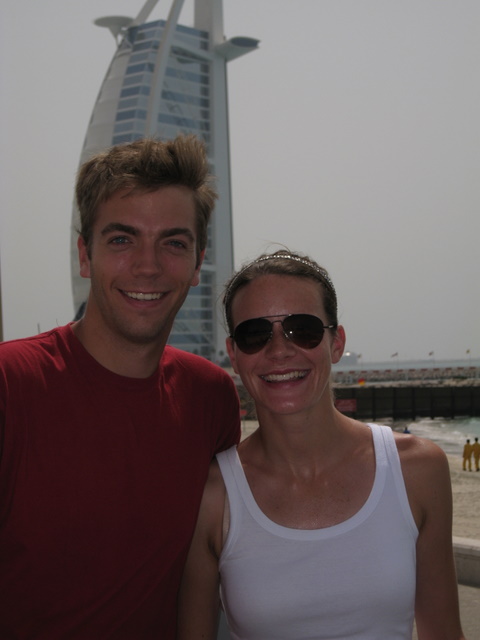
 We hopped on a Big Bus city tour that took us to all the tourist hot spots, which in Dubai are basically the beach (which.. no), the 7 Star Hotel Burj al Arab (equipped with Helipad and costs $80 to see the lobby), the Mall of the Emirates with indoor skiing, another huge shopping complex, outdoor markets, and a couple museums. Now that you have the gist, the only thing to do in August is to go shopping.
We went to go check out the Mall of the Emirates. The indoor skiing is ridiculous. Just about everyone in the ski area probably hasn’t seen snow in their lives and a majority of the people just wanted to throw snowballs at each other.
After that we had to catch the bus back before it stopped running. And of course the last stop was another shopping center. Here we needed a taxi to get back to the hotel. If you look at the picture to the right, you can see just how many people use taxis as 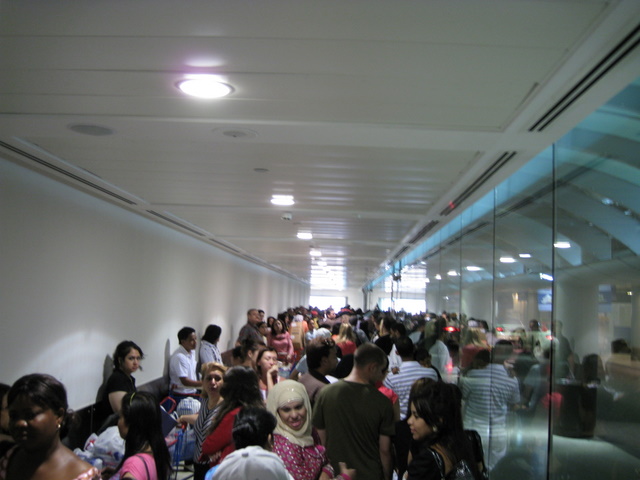 their primary mode of transport, a taxi drivers dream – drive up, pick up, and go all in less than 3 seconds. Crazy business.

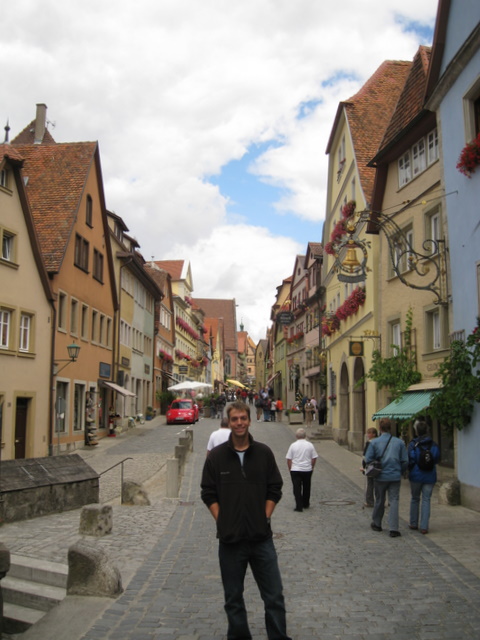
 From what I remebered in German class, East Germany (in 1998) was still living in the ’60s, kind of like Cuba, and many of the buildings had not been repaired since WWII. Fortunately for Dresden, this was not true. It has been rebuilt and to us, looked no different to any of the Western German cities that would follow. When we were in New Zealand, we met some Germans who mentioned that most young people were fleeing East Germany to West Germany for a higher paying job and a higher standard of living. As unfortante as this is, from what we could tell, East Germany seems to be headed in the right direction. Germany is at the forefront of not only supplying loads of cash to East Germany, but also to the weaker countries of the European Union.
 In Hamburg, we went to Ballinstadt. In the mid 1800s to the early 1900s, Hamburg was the world’s leading exporter of Homo sapiens (not only Germans, but mostly Polish under Russian oppression). Ballinstadt (actually the person running the place) was where these people would go before headed to the New World. Ballinstadt now is a museum that showed how people lived as they waited to go to the New World, explained the types of people, their origins, and what it took to leave Europe to the New World. As a side bonus, you could use the ancestry.com resources for free while you were there.


 I Quit My Job To Travel